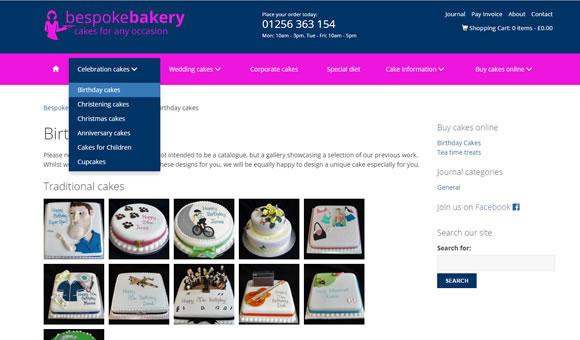
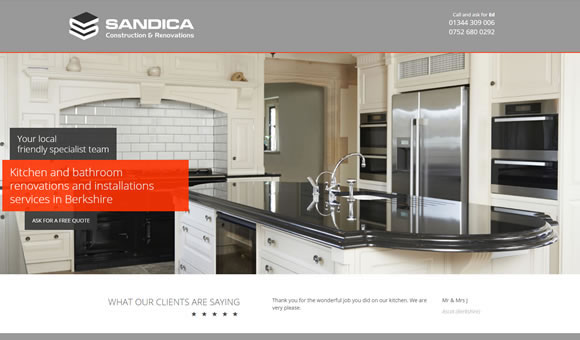
We design websites, build web-based applications, provide Internet consultancy & digital marketing services (incl. Search Engine Optimisation) to businesses in & around Berkshire (Thames Valley region), UK.
Dedicated to providing web based electronic business solutions and services. We have worked with companies like yours to achieve significant business growth and improved customer relationships. We have enabled them to work smarter using technology to reduce the cost of doing business and simplify business processes. We have achieved this through the successful implementation of tailor-made strategies.
From these strategies we successfully developed and implemented business focused web based applications and solutions, including some of the following:
- Content management systems.
- Customer relationship and profiling management systems.
- Projects and resource management systems.
- Business to business and business to consumer e-commerce stores.
- Intranet and extranet portals.
- Sales productivity and campaign management systems.
- Database integration and management reporting systems.
- Website content management systems.
- Holiday booking systems.
- Contact and address management systems.
Since we started in 2000 we have accrued considerable knowledge and experience across a wide spectrum of industries that is directly transferable to your business. Moreover, with our progressive attitude towards making technology work to produce tangible results, we are able to offer continued benefits to you, thus maintain your competitive edge.
We consult, project manage, design, develop, implement, support, maintain, market and host web applications and sites. We take care of all your business technologies needs so that you can focus on running your core business. We have built a successful UK based technology business by understanding that technology needs to support business not control it.